Emergency Plumbing
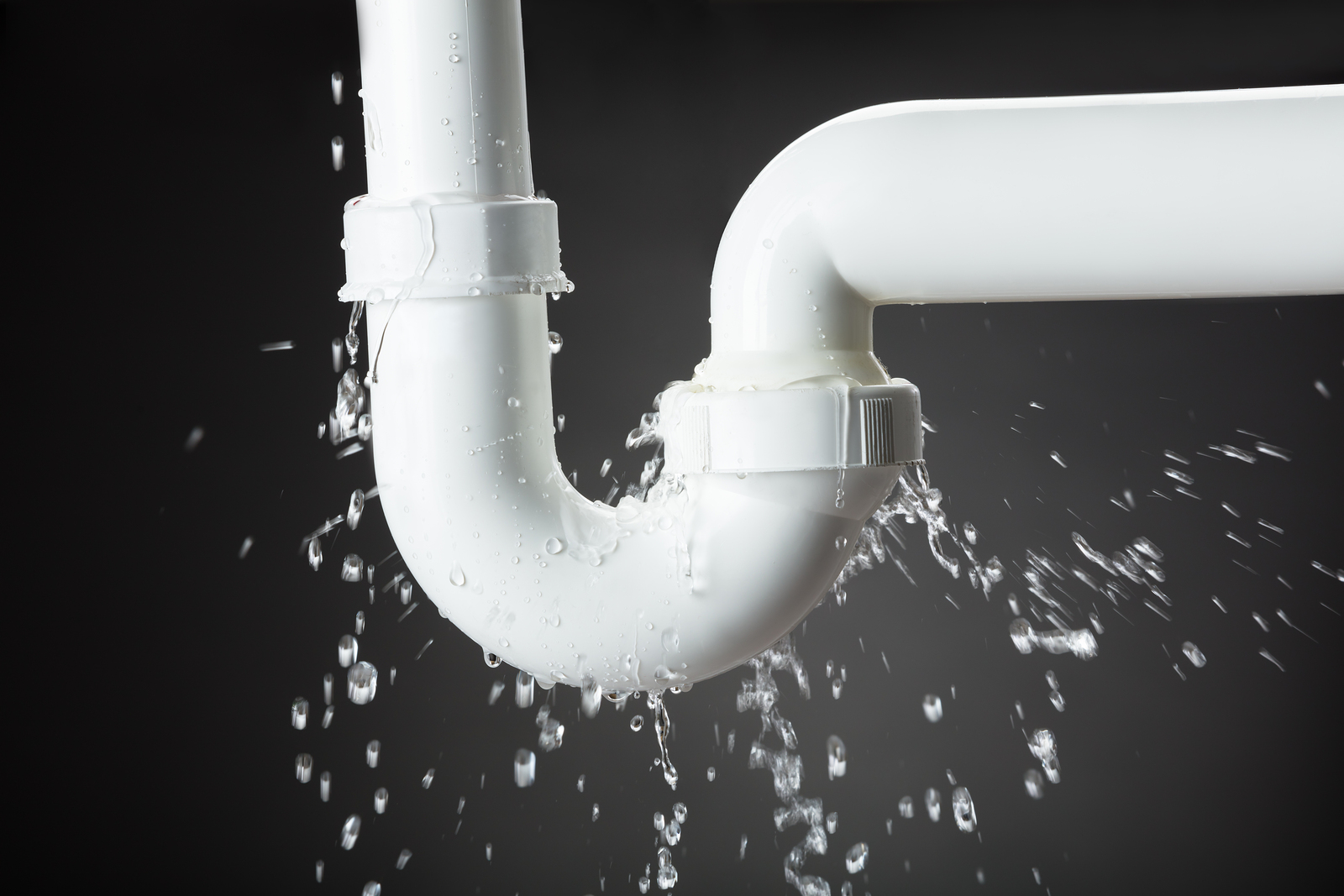
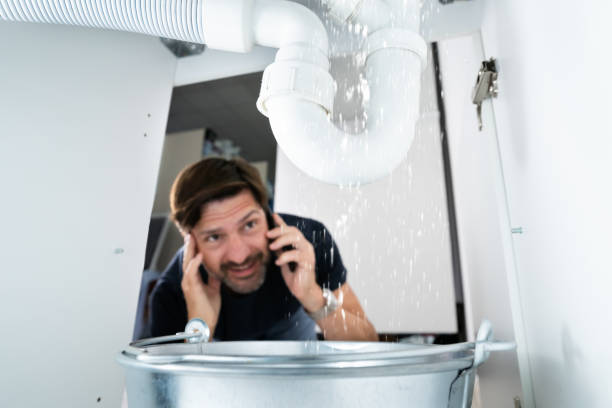
Plumbing emergencies can happen without warning — burst pipes, major leaks, overflowing fixtures, sewer backups, or sudden water heater failures. Direct Service Plumbing provides fast, same-day emergency service to protect your home and stop damage before it spreads. When every minute counts, our licensed technicians are ready to respond.
Licensed • Insured • Local Charlotte Plumbing Experts
Emergency Plumbing
Plumbing emergencies can happen without warning — burst pipes, major leaks, overflowing fixtures, sewer backups, or sudden water heater failures. Direct Service Plumbing provides fast, same-day emergency service to protect your home and stop damage before it spreads. When every minute counts, our licensed technicians are ready to respond.
Licensed • Insured • Local Charlotte Plumbing Experts
What We Offer
Burst Pipe Response
We quickly shut off water, locate the break, and repair burst or broken pipes before major damage occurs.
Major Leak & Flood Control
We stop active leaks, contain flooding, and repair the plumbing issue causing the emergency.
Sewer & Drain Emergencies
We handle sewer line backups, overflowing toilets, and drainage failures to restore safe operation.
Why Charlotte Homeowners Choose Us
Direct Service Plumbing provides reliable, same-day water heater service across Charlotte and surrounding areas. Whether you need repair, replacement, or a full tankless upgrade, our licensed technicians ensure safe, code-compliant work every time. We install all major brands and specialize in efficient solutions that extend your system’s lifespan while reducing your monthly energy costs.
- Tankless water heater installation in a Charlotte home
- New water heater installation completed in Charlotte, NC
Signs You Need Emergency Plumbing Service
Plumbing emergencies can escalate fast, causing water damage, mold, and unsafe conditions. Call a professional if you notice any of these urgent warning signs:
- Low or sudden pressure drop
- Active leaks or flooding
- Drains or toilets overflowing
- Sewage odors indoors
- No hot water or heater noises
- Burst or cracked pipes
- Rapid ceiling/wall stains
- Gurgling drains
Experiencing clogs or backups? Get fast, professional drain cleaning today.
Licensed • Insured • Local Charlotte Plumbing Experts
FAQS
What counts as a plumbing emergency?
A plumbing emergency is any situation where water, sewage, or a failing fixture poses an immediate risk to your home’s safety or structure. This includes burst pipes, overflowing toilets, sewer backups, major leaks, failing water heaters, and sudden drops in water pressure. Because plumbing systems are pressurized and interconnected, a small issue can escalate rapidly, leading to flooding, mold growth, and electrical hazards. If something poses a threat to your home or stops you from using your plumbing normally, it should be treated as an emergency.
Should I shut off my water before calling an emergency plumber?
Yes — if it is safe to do so. When you have active flooding, spraying water, or a pipe that has burst, turning off your main water supply immediately limits damage and prevents thousands of dollars in repairs. Your main shut-off valve is usually located in a utility room, crawlspace, garage, or near the street. If you cannot safely reach the valve or aren’t sure where it is, call us right away — we can guide you through the process or dispatch a technician who can safely shut it off for you.
What should I do if my toilet is overflowing or backing up?
Overflowing toilets indicate a blockage in the toilet trap, drain line, or main sewer line. First, turn off the toilet’s water supply valve located behind or beneath the toilet. Avoid flushing again — this can worsen the overflow. Sewage water contains harmful bacteria, so keep children and pets away from the area. An emergency plumber can quickly locate the blockage, clear the line, and check for underlying issues like root intrusion or sewer line collapse.
Why does my water pressure drop suddenly?
A sudden loss of water pressure is a strong sign that something serious is happening inside your plumbing system. It could be a burst or cracked pipe, a hidden leak inside the walls, a failing pressure regulator, or a blockage in the main water line. Because pressure changes often indicate that water is escaping somewhere, you should treat this as an emergency. Ignoring the problem can lead to structural damage, warped flooring, and mold that spreads rapidly behind walls.
Is a water heater problem considered an emergency?
In many cases, yes. A leaking water heater, unusual popping or rumbling noises, or a sudden loss of hot water can indicate a failing tank, internal pressure issues, or a malfunctioning component. Water heater leaks can flood garages, utility rooms, and basements, and can even cause electrical hazards. Because water heaters store and heat large amounts of water under pressure, any significant issue should be inspected immediately before the tank ruptures.
What should I do if I smell sewage inside my home?
Sewage odors inside your home are a red-flag warning that something is wrong with your sewer system. This may mean a clogged sewer line, broken vent pipe, sewer gas escaping from drains, or a failing trap seal. Sewage gases carry bacteria and methane, which can be dangerous to breathe. If the smell is strong or persistent, avoid using water fixtures and call an emergency plumber right away. We can locate the source, clear any blockages, and ensure harmful gases are safely vented.
Why are my drains gurgling when no fixtures are running?
Gurgling noises usually mean air is being forced through a blocked pipe — a strong indicator of a developing clog or failing sewer vent. This air pressure buildup can eventually push sewage back into tubs, showers, or floor drains. Even if nothing is visibly backing up yet, gurgling drains are an early warning sign of a sewer backup. Addressing it immediately prevents messy overflows and much more expensive emergency repairs later.
Can small leaks wait until morning, or should they be treated as emergencies?
Even small leaks can hide big problems. A slow drip under a sink or behind a wall may indicate failing joints, deteriorating pipes, or hidden water damage. Over time, these leaks can soak cabinets, drywall, insulation, and flooring — creating ideal conditions for mold and wood rot. If water is escaping anywhere it shouldn’t be, it’s best to treat it urgently. Emergency repair prevents long-term structural damage and saves you money by stopping the leak before it spreads.
What causes pipes to burst suddenly?
Pipes can burst due to freezing temperatures, mineral buildup, internal corrosion, sudden pressure surges, or simple age-related wear. When a pipe ruptures, water can flood a home within minutes. Older homes with copper or galvanized pipes are especially at risk, as metal pipes weaken over time. Once a pipe bursts, the only way to stop the water is shutting off the main supply and calling an emergency plumber who can locate and replace the damaged section.
How fast can an emergency plumber arrive at my home?
Emergency plumbing services prioritize urgent cases involving water damage, sewer backups, and major leaks. We dispatch technicians as quickly as possible, ensuring you get prompt help when every minute matters. While arrival times vary by distance and demand, our goal is always rapid response so we can stop the damage, protect your home, and get repairs underway immediately. The sooner you call, the faster we can help.
Every minute counts during a plumbing emergency. Call now for immediate service.
Licensed • Insured • Local Charlotte Plumbing Experts